Is your automatic garage door opener acting up? Whether it's refusing to open, making strange noises, or the remote control isn't working, this comprehensive guide will walk you through diagnosing and repairing common issues with your automatic garage door opener. From motor faults to sensor realignment, we'll help you save time and money by tackling these repairs safely and effectively.
Common Problems with Automatic Garage Door Openers
Automatic garage door openers are complex systems that include motors, safety sensors, remotes, and several mechanical components. Understanding the usual problems can help you pinpoint the issue quickly and determine whether a DIY fix or professional help is needed.
- Opener motor issues: Often caused by worn-out capacitors or electrical faults leading to failure or sluggish operation. Remote control failure: Commonly due to dead batteries, signal interference, or broken keypad covers. Safety sensor malfunction: Misaligned photo eyes or obstruction sensors can prevent the door from closing properly. Door track misalignment: Warped or bent tracks cause the door to stick or jam during operation. Drive belt wear: Over time, belts may become frayed or broken, affecting smooth door movement. Spring replacement problems: Torsion and tension springs lose tension with use, impacting door balance and opening force. Chain drive vs. belt drive issues: Chain drives may produce more noise and require lubrication, while belt drives might slip if not properly tensioned. Noise reduction needs: Worn rollers, loose mounting brackets, or unlubricated gears often cause unwanted noise during operation.
Diagnosing Your Automatic Garage Door Opener
Effective repair starts with accurate diagnosis. Here’s how to inspect key components of your garage door opener system.
- Circuit board faults: Check for visible damage or burnt components on the opener’s control panel. Trolley assembly check: Ensure the trolley moves smoothly along the rail without excessive wear. Limit switch testing: Verify the settings to confirm the door stops correctly at full open and close positions. Roller wheels condition: Inspect rollers for cracks, rust, or dirt buildup that can hinder sliding. Door balance evaluation: Manually lift the door; it should stay open halfway without assistance, indicating balanced springs and cables. Sensor alignment: Confirm that photo eye sensors face each other directly and are free of obstructions or dirt. Motor capacitor testing: A faulty capacitor may cause starting issues; test with a multimeter or observe humming noises without motion.
Step-by-Step Automatic Garage Door Opener Repair Instructions
Safety Precautions Before Repair
- Use the manual release: Disengage the opener clutch using the emergency release cord before attempting any mechanical repairs. Emergency release procedures: Familiarise yourself with how to manually operate the door in case of power failure. Disconnect power and battery backup: Always turn off electrical supply and remove the battery backup to avoid electric shocks or accidental door activation.
Repairing or Replacing Key Components
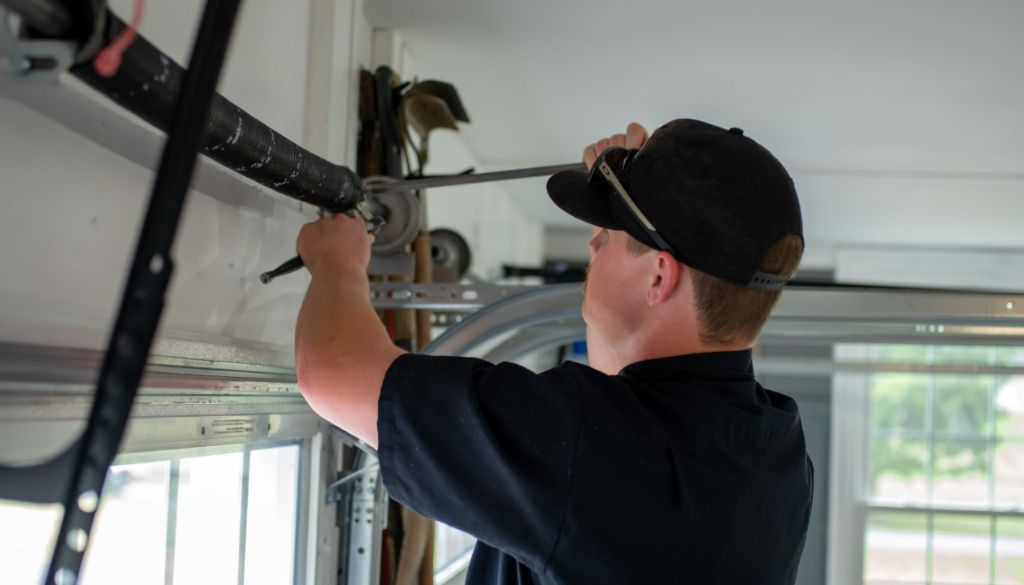
- Opener motor repair or replacement: Inspect the motor for overheating or burnt smell; replace or repair depending on severity. Remote control and keypad battery replacement: Swap out old batteries in remotes and wireless keypads to restore signal strength and responsiveness. Safety sensor and photo eye realignment: Clean lenses and adjust sensors so they face each other perfectly to ensure proper obstruction detection. Door track and hinge repair: Straighten bent tracks, tighten loose mounting brackets, and lubricate hinges to enhance smooth door travel. Drive belt and gear assembly lubrication and replacement: Apply recommended lubricant to keep belts and gears running quietly and replace belts showing signs of wear or fraying. Spring replacement: torsion spring and tension spring: Replace worn springs carefully using appropriate tools due to stored energy; this task is often best left to professionals. Wiring harness and electrical wiring fixes: Check all wiring connections for corrosion, breaks, or loose connectors; repair or replace wiring as needed. Wall switch and control panel troubleshooting: Test switches with a multimeter and replace faulty units to restore proper control.
Testing After Repair
- Safety reversal test: Place an object under the closing door to verify it reverses automatically upon obstruction detection. Noise level check: Listen for abnormal sounds indicating mechanical friction or loose parts needing further adjustment. Remote control range and battery test: Confirm the remote controls work consistently from various distances around the property. Door insulation and rubber seal condition check: Inspect weather stripping and seals for damage to maintain energy efficiency and prevent drafts.
Maintenance Tips to Prevent Future Automatic Garage Door Opener Failures
Routine maintenance extends the life of your garage door opener and keeps it operating safely and efficiently. Consider these essential upkeep tasks:
- Lubrication routines for pulley system and gear rack: Apply quality garage door lubricant every six months to reduce wear and noise. Track alignment checks: Regularly inspect tracks for bends and correct alignment to prevent jamming. Weather stripping and door panel inspections: Replace brittle or cracked seals to protect against weather damage and improve door insulation. Roller wheel maintenance: Clean and lubricate rollers frequently to ensure smooth door movement along tracks. Electrical wiring safety tips: Check wiring for signs of wear or fraying, and secure loose cables to avoid shorts and malfunctions. Regular inspection of battery backup and wireless receiver: Test battery backups annually and update wireless keypad codes for security.
When to Call a Professional Garage Door Opener Repair Service
While many repairs can be done at home, certain conditions require professional expertise and specialised tools:
- Complex circuit board issues: Diagnosing and repairing electronic control panels often requires advanced knowledge and equipment. Extensive spring replacement: Handling torsion and tension springs involves significant risk and precise tension adjustments. Persistent motor problems: If your opener motor repeatedly fails despite basic repairs, professional servicing is advisable. Safety sensor recalibration failures: Professionals can accurately realign and troubleshoot photo eye sensors to meet safety standards. Warranty considerations: Repairs under warranty should be conducted by authorised technicians to maintain coverage.
Frequently Asked Questions (FAQs)
What are the signs my automatic garage door opener needs repair?
Signs include unusual noises, slow or jerky movements, remote control failure, the door not fully opening or closing, and frequent triggering of safety sensors.
Can I repair my garage door opener myself or should I hire a professional?
Minor repairs like replacing batteries or lubricating parts can be done safely at home. However, complex tasks involving springs, motor replacement, or circuit boards should be handled by professionals.
How do I reset my garage door opener after a repair?
Reset procedures vary by model but usually involve pressing the learn button on the control panel and syncing your remote professional fix for garage doors or keypad. Refer to manufacturer instructions for specifics.
What safety measures should I take before attempting a repair?
Always disconnect power supply and battery backup, use the emergency release to disengage the door, wear protective garage door installation services gloves, and never attempt spring repairs without adequate training.
How often should I service my garage door opener to avoid breakdowns?
Perform basic maintenance like lubrication and inspections every six months and schedule professional servicing annually to keep the system in top condition.
Why is my garage door opener making loud noises?
Loud noises often result from dry or worn bearings, loose brackets, damaged rollers, or failing drive belts. Regular lubrication and timely part replacement reduce noise significantly.
How do I replace the remote control battery for my garage door opener?
Open the remote casing, remove the old battery, and replace it with the correct type, usually a lithium coin cell. Ensure proper polarity and test remote function afterward.
What causes the safety sensor to fail and how do I fix it?
Failures are commonly caused by misalignment, dirty lenses, or wiring issues. Clean the lenses regularly, realign sensors facing each other, and inspect wiring for damage.
Conclusion
Automatic garage door opener repair doesn't have to be daunting. By understanding common problems, carefully diagnosing issues, and following step-by-step repair procedures, you can restore your garage door’s functionality safely and economically. Regular maintenance and timely component replacements will prolong the life of your system and keep your home secure. If you encounter complex problems or feel uncertain about any repair, don't hesitate to call a professional technician to ensure safety and quality workmanship.
Ready to tackle your garage door opener repair or need expert assistance? Start with a thorough diagnosis and follow our guide to get your door back on track today!